The CEMAL and UNAM students attended a Sexual Diversity Panel this past Tuesday to discuss the complexities of sexual identity in a Mexican context: one that is dominated by both machista and traditional Catholic values.

Graciela shared a story about her difficult quest for sexual identity, and the subsequent lack of support from her traditional, Catholic family. As a lesbian, she still feels a fear of expressing herself to all but a few close friends. The most moving thing was the sincere way in which she said that, sometimes, she just wanted to be hugged. She still believes in and finds respite in God.

Vik@ grew up in Amatl
án, which as you might have noticed from previous posts is a fairly small, traditional rural town. Through building self-confidence, he was able to be openly gay in the community and stirred others to come out as well, creating support even in the older generation. Now s/he occasionally performs in drag for events and weddings.

Natalia, in contrast to the other two panelists, grew up with a lot of support from her family. But it wasn't until after she had children that she realized she was bisexual and rather dress as a woman. She is now very active in the LGBT rights scene in Mexico City, and continues to be positive and vibrant despite living with HIV. She's especially focused on questioning labels and promoting the validity of bisexuality.

The view behind CEMAL, past la barranca.

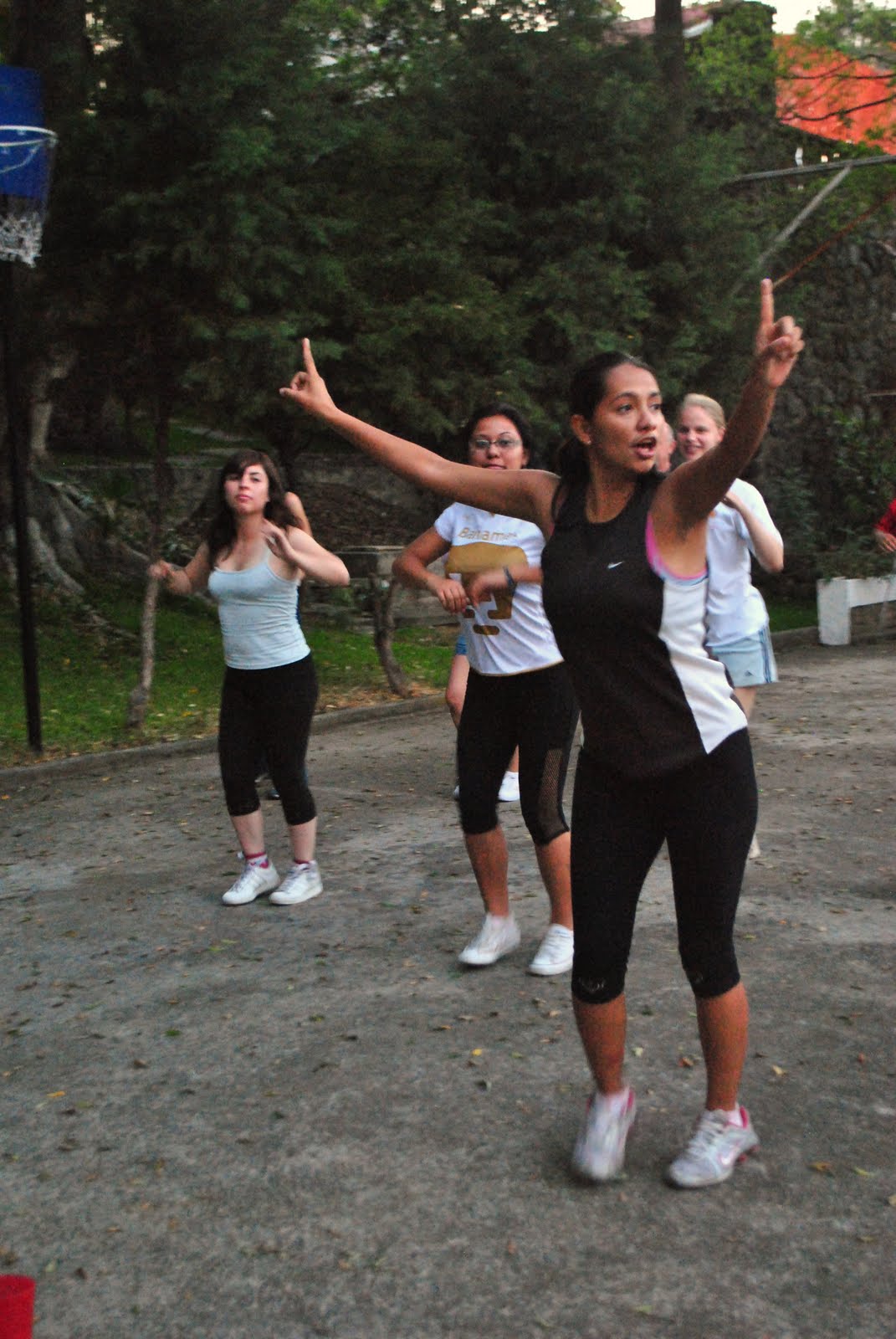
After the moving discussion, we got moving with a latin dance class taught by Karla. Two intense hours of mambo, cumbia, zumba, salsa and reggaeton tired out the CEMAL and UNAM students alike!

 The globalization/migration students made a trip to the Robert Brady Museum, an extensive collection of artwork in the late Iowan heir´s Cuernavacan home. The first room primarily showcases masks from around Mexico.
 Love the jaguar.
 Great bathrooms...
 El señor Diego Rivera.
 Brady wasn´t a religious man, but here´s the first crucifix of many.
 Art from his world travels. Some of the acquisition, especially from indigenous peoples, is questionable.
 Hey Jesuits!
 Brady´s rendering of his cook, who apparently always had a bad temper.

 Frida makes an appearance.
 Again, the jaguar.
 Josephie Baker´s bedroom, where she stayed a few weeks out of the year.
 At the end of the end of the tour, we found out that Robert Brady was gay. Big surprise.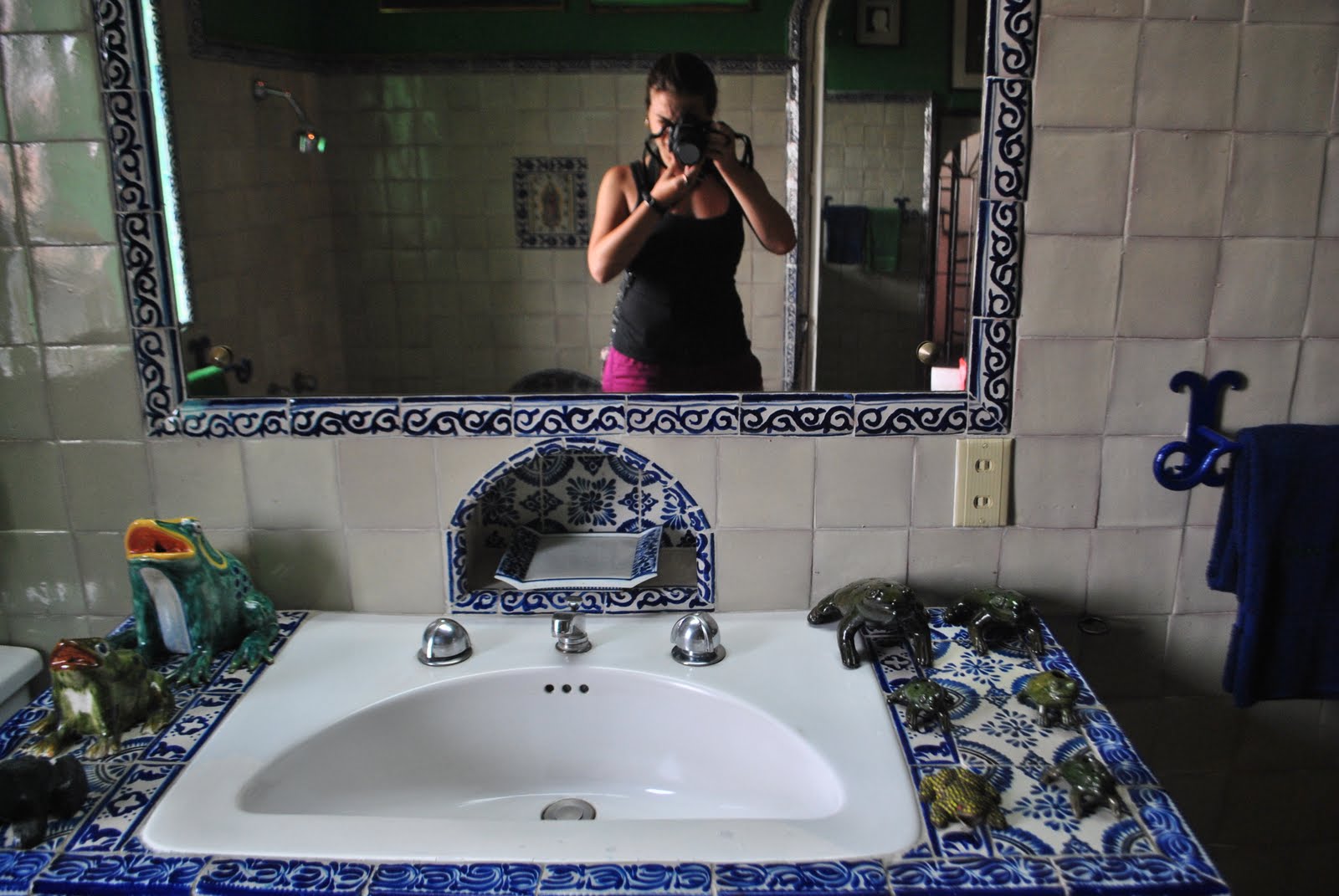
 The fame and fortune of the swingin´60s.
  Ow.
Ow. The apostles with tequila, tortillas and watermelon. Genial.
  Our tour guide shows us the lavish tapestries.
 The bedroom...
 I thought priests taught asceticism and humility.